GLP1R
The Lizard's Receptor
A hormone first glimpsed in the venom of a desert lizard became the most talked-about medicine of the decade.
The walkthrough
Beat by beat
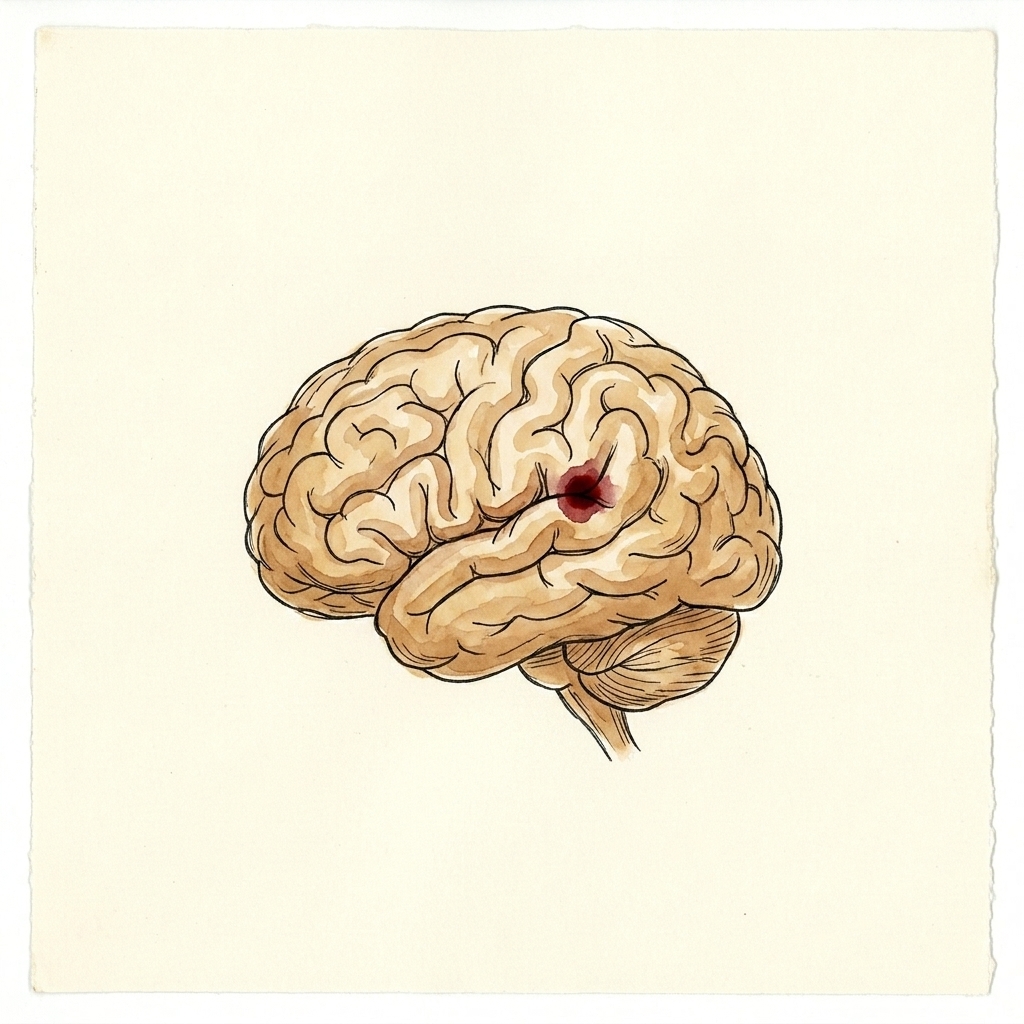

HOOK
0:18
01HOOK
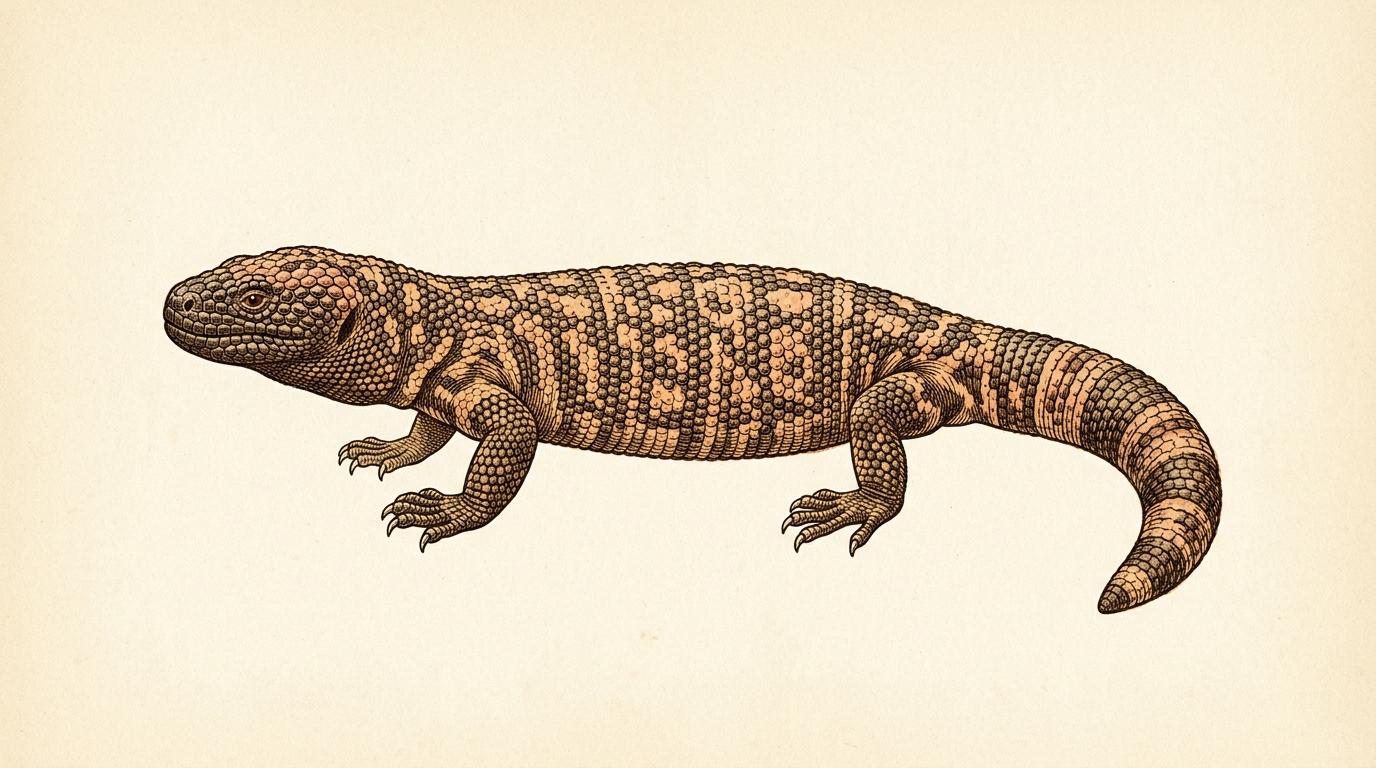
The biggest diabetes and weight-loss drugs of our time all aim at a single receptor on your cells. And the drug that first proved it would work was built from the venom of a Gila monster `F1`.
02THE NAME
The gene is GLP1R `F2`, on chromosome 6 `F3`. It builds a receptor — a molecular antenna tuned to a gut hormone, GLP-1, that your intestine releases after a meal `F4`. When GLP-1 docks, the receptor tells the pancreas to release insulin — but only when your blood sugar is high `F5`.
03THE HUNT
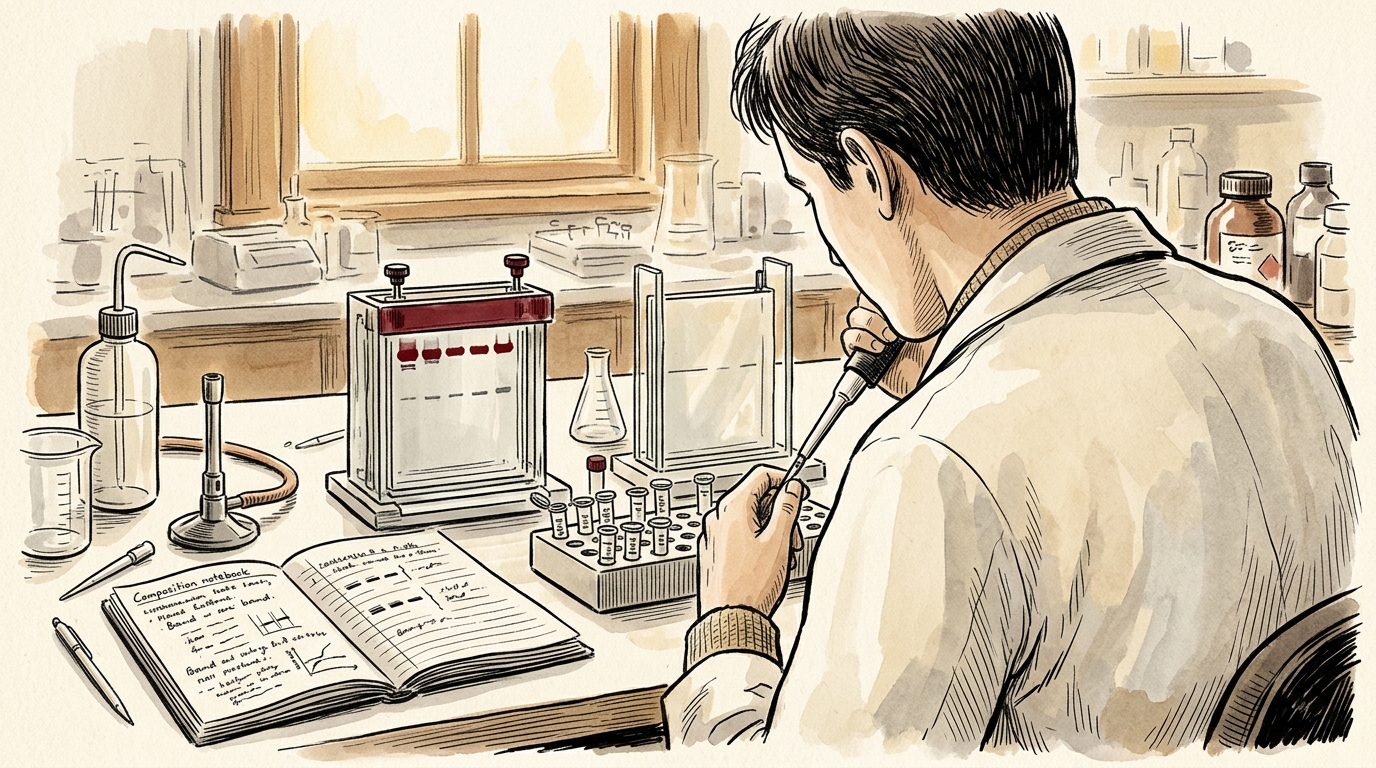
It started with a puzzle. Swallow a dose of sugar, and you release far more insulin than from the same dose dripped into a vein `F6`. The gut was signaling ahead of the food. In the 1980s, that messenger was found — GLP-1, cut from the proglucagon gene `F7`. And in 1992, Bernard Thorens cloned its receptor `F8`.
04THE METHOD
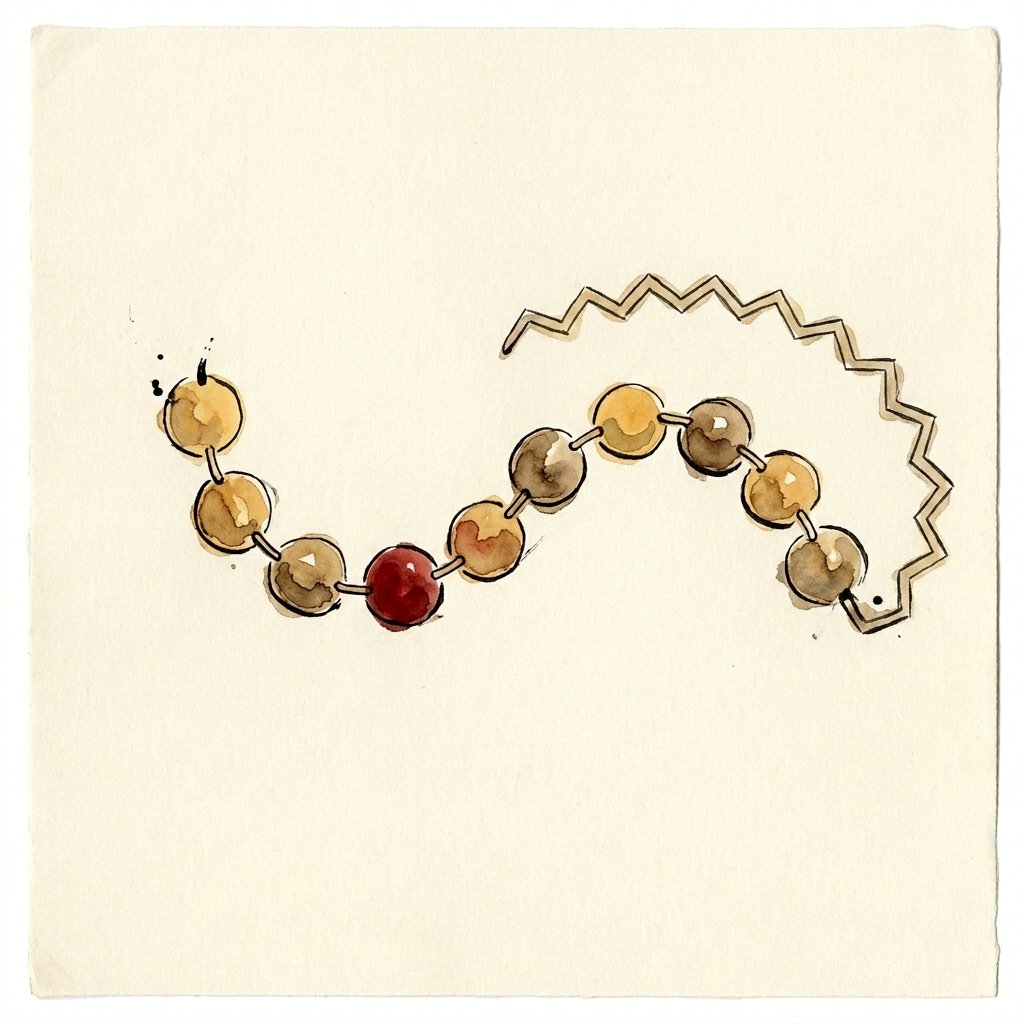
But GLP-1 makes a terrible drug. In the blood, an enzyme called DPP-4 destroys it in about two minutes `F9`. The first fix came from the lizard: exendin-4, a venom peptide only half-identical to GLP-1, but built to resist that enzyme `F10`. Chemists went further, engineering semaglutide to cling to a blood protein and last a full week `F11`.
05THE MECHANISM (hero)
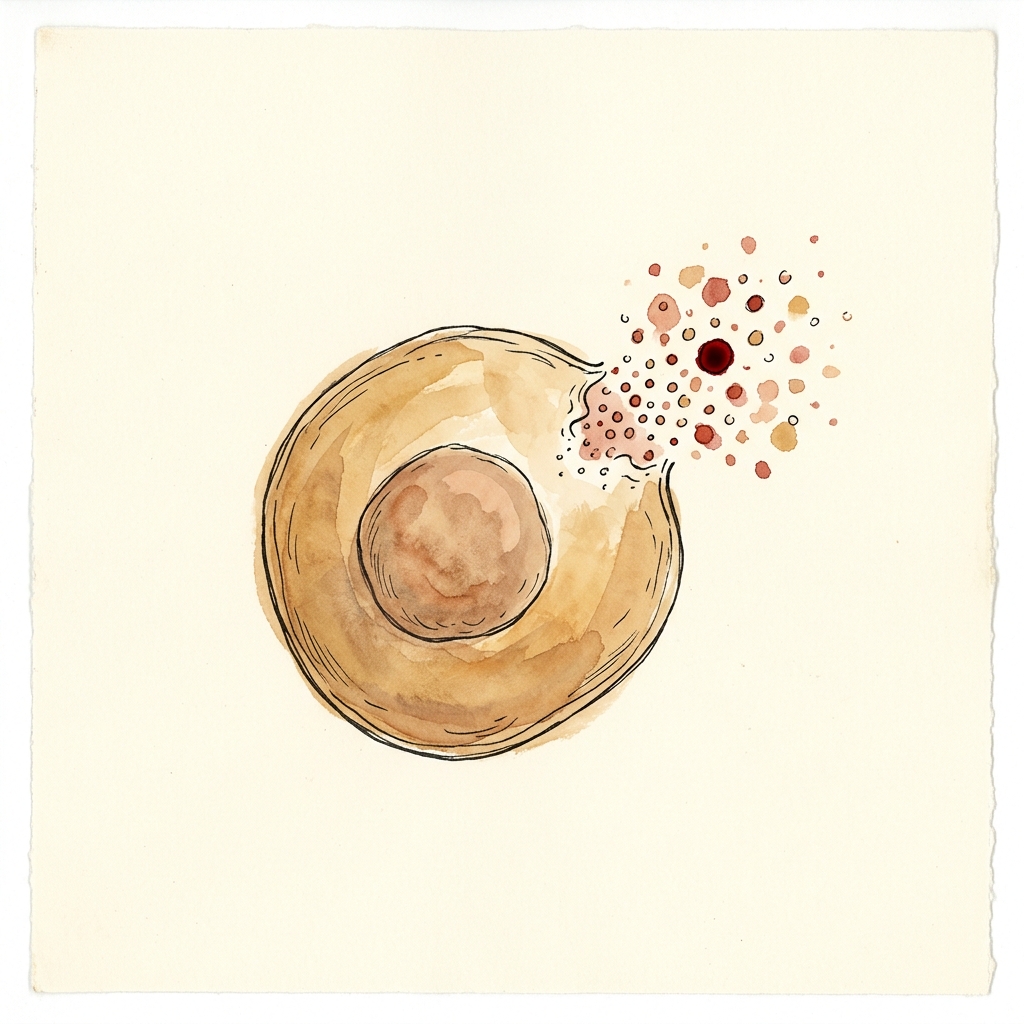
GLP1R threads seven times through the cell membrane — a G-protein-coupled receptor `F12`. When GLP-1, or a drug mimicking it, locks into its pocket, the receptor switches on a chemical messenger inside the cell (cAMP) `F12`. In a pancreatic beta cell, that triggers a glucose-dependent burst of insulin `F13`. And in the brain, the same receptor turns down appetite `F14` and slows the stomach `F15` — which is why these drugs make you feel full.
06THE STAKES
That combination — steadier blood sugar, less hunger — meets two of the largest health problems on Earth: type 2 diabetes and obesity. And it reaches further. In a 2023 trial of people with obesity and heart disease but no diabetes, semaglutide cut heart attacks and strokes by about a fifth `F16` — while patients lost around fifteen percent of their body weight `F17`.
07THE OPEN THREAD
What's striking is that none of this fixes a broken gene. These drugs just turn a normal receptor up `F18` — agonists, copying a signal your body already uses. The class keeps growing: from the lizard-derived exenatide, to semaglutide — Ozempic and Wegovy `F19` — to tirzepatide, which hits two receptors at once, GLP-1 and its cousin GIP `F20`. The open questions now are about us: what a lifetime on these drugs does, and who can afford them.
08TIMELINE + SIGN-OFF
One receptor, listening for a hormone — and a venom peptide that turned it into the most talked-about target in medicine. From a desert lizard to a weekly injection shared by millions. — The Gene Channel.
The write-up
In one line: GLP1R builds the receptor for a gut hormone that tells your body to release insulin and feel full — and a peptide pulled from Gila monster venom proved it could be drugged, opening the door to Ozempic, Wegovy, and a whole class of medicines that turn a normal receptor up rather than fix a broken gene.
The gene
GLP1R sits on the short arm of chromosome 6 (band 6p21.2) and encodes the glucagon-like peptide-1 receptor — a G-protein-coupled receptor that threads through the cell membrane seven times. It is the docking site for GLP-1, an incretin: a hormone your intestinal L-cells release after a meal (GLP-1 is cut from the proglucagon gene). When GLP-1 binds GLP1R on a pancreatic beta cell, the receptor activates Gs → adenylyl cyclase → cAMP, which primes a glucose-dependent burst of insulin — "glucose-dependent" meaning it only acts when blood sugar is actually high, which is why it carries little risk of hypoglycemia. The same receptor in the brain turns down appetite and slows gastric emptying.
The hunt (the incretin puzzle → 1992)
The trail starts with a curiosity called the incretin effect: glucose taken by mouth triggers far more insulin than the same glucose infused into a vein — up to ~70% of the meal response is hormonal, not the sugar itself. In the 1980s the responsible messenger was pinned down as GLP-1. In 1992, Bernard Thorens expression-cloned its receptor from a pancreatic islet library — GLP1R.
The lizard
GLP-1 makes a hopeless drug: the enzyme DPP-4 clips it apart within ~2 minutes. The first way around that came from an unlikely place. In 1992, John Eng isolated exendin-4 from the venom of the Gila monster (Heloderma suspectum) — a 39-amino-acid peptide only ~53% identical to human GLP-1, but with a small change at the spot DPP-4 normally cuts, so it survives far longer. Exendin-4 became the synthetic drug exenatide (Byetta), the first GLP-1 receptor agonist approved by the FDA (April 2005). Drug designers then engineered semaglutide, a human-GLP-1 analog with a fatty-acid chain that grips a blood protein (albumin) and a substitution that blocks DPP-4 — extending its half-life to about one week (once-weekly dosing).
The mechanism, and the stakes
Activate GLP1R and two things follow: the pancreas releases insulin when glucose is high, and the brain reduces hunger. That combination lands squarely on type 2 diabetes and obesity. The reach turned out to be wider still: in the 2023 SELECT trial, in people with obesity and cardiovascular disease but no diabetes, once-weekly semaglutide cut major cardiac events (heart attacks, strokes) by about 20%, with average weight loss around 15% (STEP program).
The honest twist, and the frontier
The remarkable part for a gene channel: none of this fixes a broken gene. These drugs are agonists — they turn a normal receptor up, copying a signal the body already uses. (Contrast HBB/Casgevy, which edits DNA.) The class keeps expanding — from the lizard-derived exenatide, to semaglutide (Ozempic, Wegovy), to tirzepatide (Mounjaro/Zepbound), which is a dual agonist of two receptors, GLP-1 and GIP. The open questions now are about us, not the molecule: what a lifetime on these drugs does, what happens when you stop, and who can afford them.
Sources
Full claim-by-claim evidence is in references.md. Primary/authoritative anchors:
- GLP1R gene (location 6p21.2, function): NCBI Gene 2740 — https://www.ncbi.nlm.nih.gov/gene/2740 ; UniProt P43220 — https://www.uniprot.org/uniprotkb/P43220
- Receptor cloned (1992): Thorens B, PNAS 89:8641 — https://pubmed.ncbi.nlm.nih.gov/1326760/
- Exendin-4 from Gila monster venom (1992): Eng J et al., J Biol Chem 267:7402 — https://pubmed.ncbi.nlm.nih.gov/1313797/ ; VA Research — https://www.research.va.gov/research_in_action/Diabetes-drug-from-Gila-monster-venom.cfm
- Exendin-4 ~53% identity, DPP-4-resistant; GLP-1 ~1–2 min half-life: PMC4344207 — https://pmc.ncbi.nlm.nih.gov/articles/PMC4344207/
- Exenatide first GLP-1 RA (2005): StatPearls NBK572151 — https://www.ncbi.nlm.nih.gov/books/NBK572151/
- Semaglutide ~1-week half-life / Ozempic approval: Novo Nordisk — https://www.prnewswire.com/news-releases/novo-nordisk-receives-fda-approval-of-ozempic-semaglutide-injection-for-the-treatment-of-adults-with-type-2-diabetes-300567052.html ; Wegovy (2021) — https://content.govdelivery.com/accounts/USFDA/bulletins/2e2af83
- SELECT (CV outcomes, no diabetes): Lincoff AM et al., NEJM 2023;389:2221 — https://www.nejm.org/doi/full/10.1056/NEJMoa2307563
- Tirzepatide dual GIP/GLP-1: Lilly/FDA — https://investor.lilly.com/news-releases/news-release-details/fda-approves-lillys-mounjarotm-tirzepatide-injection-first-and
Accuracy notes (the traps this episode states carefully):
- The Gila monster gave us exendin-4 → exenatide (the first drug), not Ozempic. Semaglutide and liraglutide are engineered from human GLP-1; the lizard's role was proving the target was druggable.
- These drugs are agonists that activate a normal receptor — they do not repair a mutated gene. GLP1R is a drug target here, not a disease gene.
- Tirzepatide is a dual GIP/GLP-1 agonist, not a pure GLP-1 drug.
The evidence
Every claim, sourced
Each [F#] you hear in the film links to the source it came from. Nothing gets narrated until every one is checked and signed off.
Sign-off
- PhD sign-off — facts above sourced to primary/authoritative references; the three ⚠️ traps stated correctly in
script.md. (Sourced 2026-06-10.) - Trap F1/F10 (lizard ≠ Ozempic): narration says the lizard peptide built the first drug (exenatide) and proved the target; it does not claim Ozempic is lizard-derived (semaglutide is engineered from human GLP-1).
- Trap F18 (agonist ≠ gene fix): narration explicitly says the drugs turn a normal receptor up and do not fix a broken gene — this is a drug-target story, not a mutation story.
- Trap F20 (tirzepatide is dual): narration states tirzepatide hits GLP-1 and GIP.
- Numbers kept defensible/qualitative: locus 6p21.2; native GLP-1 "~two minutes"; semaglutide "~a week"; SELECT "~a fifth / 20%"; weight "~fifteen percent." SELECT event rates (6.5% vs 8.0%) kept off-screen.
On sign-off → run `gen-narration.mjs` (the gate opens). Then assets → Video.tsx → render → `writeup.md`.
- F1⚠ commonly confused
The first medicine to prove the GLP-1 target works was built from a Gila monster venom peptide
Exenatide (Byetta) = synthetic exendin-4, isolated from Heloderma suspectum venom (J. Eng, 1992); it was the first FDA-approved GLP-1 receptor agonist (Apr 28 2005). Trap: this is exenatide, not Ozempic — semaglutide/liraglutide are engineered from human GLP-1, not lizard-derived. The lizard proved the target; it is not the source of Ozempic.
- F2
The gene GLP1R builds the GLP-1 receptor
NCBI Gene 2740, official full name "glucagon like peptide 1 receptor"
- F3
GLP1R sits on chromosome 6 (band 6p21.2)
NCBI Gene: cytogenetic location 6p21.2; GRCh38 NC_000006.12 (39,048,781–39,091,303). (Note: NOT 6p21.31 — a nearby but wrong band.)
- F4
A cell-surface receptor for GLP-1, a gut hormone released by the intestine after a meal (an incretin)
GLP-1 is an incretin, a proglucagon product secreted by intestinal L-cells upon food intake; GLP1R "stimulates glucose-dependent insulin secretion … appetite, gastric emptying"
- F5
Activation tells the pancreas to release insulin only when blood sugar is high (glucose-dependent)
NCBI RefSeq summary: the receptor "stimulates glucose-dependent insulin secretion" — the basis of the low-hypoglycemia safety profile
- F6
Oral sugar releases far more insulin than the same sugar given intravenously (the incretin effect)
Up to ~70% of the insulin response to oral glucose is attributable to incretins, measured vs an isoglycemic IV infusion
- F7
In the 1980s, GLP-1 identified — a peptide cut from the proglucagon gene
GLP-1 is produced by tissue-specific processing of proglucagon; characterized as the gut incretin in the 1980s
- F8
In 1992, Bernard Thorens cloned the GLP-1 receptor
Thorens B. "Expression cloning of the pancreatic beta cell receptor for the gluco-incretin hormone glucagon-like peptide 1." PNAS 1992;89(18):8641–5 (single author)
- F9
Native GLP-1 is destroyed in ~2 minutes by the enzyme DPP-4
"the resulting half-life of active GLP-1 is approximately 2 minutes" (1–2 min); DPP-4 cleaves it after the Ala at position 2/8
- F10⚠ commonly confused
Exendin-4 (Gila monster venom), ~half-identical to GLP-1 but DPP-4-resistant
"Exendin-4, a 39-amino acid peptide that shares 53% … homology with GLP-1 … is resistant to cleavage by plasma DPP-IV, and thus has a longer half-life." It is a distinct lizard peptide (Gly at the DPP-4 site), NOT a copy of GLP-1.
- F11
Semaglutide engineered to survive ~1 week in the body
"high albumin binding resulting in a half-life of approximately one week … suitable for once-weekly dosing"; ~165 h via a C18 fatty-diacid (albumin binding) + Aib8 substitution (DPP-4 resistance)
- F12
GLP1R threads the membrane 7 times (a GPCR); activation → cAMP
UniProt P43220: "Belongs to the G-protein coupled receptor 2 family" (class B / secretin-like); "Ligand binding triggers … activation of adenylyl cyclase and increased intracellular cAMP" (via Gs)
- F13
In a pancreatic beta cell → glucose-dependent insulin release
NCBI: receptor "stimulates glucose-dependent insulin secretion"; cloned from pancreatic islet (Thorens 1992)
- F14
In the brain, the same receptor reduces appetite
GLP1R signaling regulates "appetite … and energy balance"; expressed in hypothalamus / area postrema / NTS appetite circuits
- F15
GLP-1 signaling slows gastric emptying
NCBI: regulates "gastric emptying"; semaglutide "slows the rate at which food leaves the stomach"
- F16
2023 trial: in obesity + heart disease without diabetes, semaglutide cut major cardiac events by ~a fifth (20%)
SELECT (Lincoff et al., NEJM 2023;389:2221–32): once-weekly semaglutide 2.4 mg → 20% reduction in MACE (HR 0.80, 95% CI 0.72–0.90) in overweight/obese patients with CVD, no diabetes
- F17
Patients lost ~15% of body weight
STEP 1 (Wilding et al., NEJM 2021;384:989–1002): semaglutide 2.4 mg → mean −14.9% body weight at 68 wk (FDA Wegovy: "approximately 15%")
- F18⚠ commonly confused
These drugs turn a normal receptor up — agonists, not gene correction
Semaglutide is a "GLP-1 receptor agonist" — it binds and activates the normal receptor. Trap: it is NOT gene therapy and does NOT edit/repair GLP1R (contrast Casgevy/HBB). The gene here is a target, not a defect.
- F19
Semaglutide = Ozempic (type 2 diabetes, 2017) and Wegovy (obesity, 2021)
Same active ingredient; Ozempic FDA Dec 5 2017 (T2D); Wegovy FDA Jun 4 2021 (chronic weight management, 2.4 mg)
- F20⚠ commonly confused
Tirzepatide reaches for two receptors — GLP-1 and GIP
FDA/Lilly: Mounjaro (tirzepatide) is "the first and only GIP and GLP-1 receptor agonist" (dual agonist). Trap: not a pure GLP-1 drug; different mechanism from semaglutide